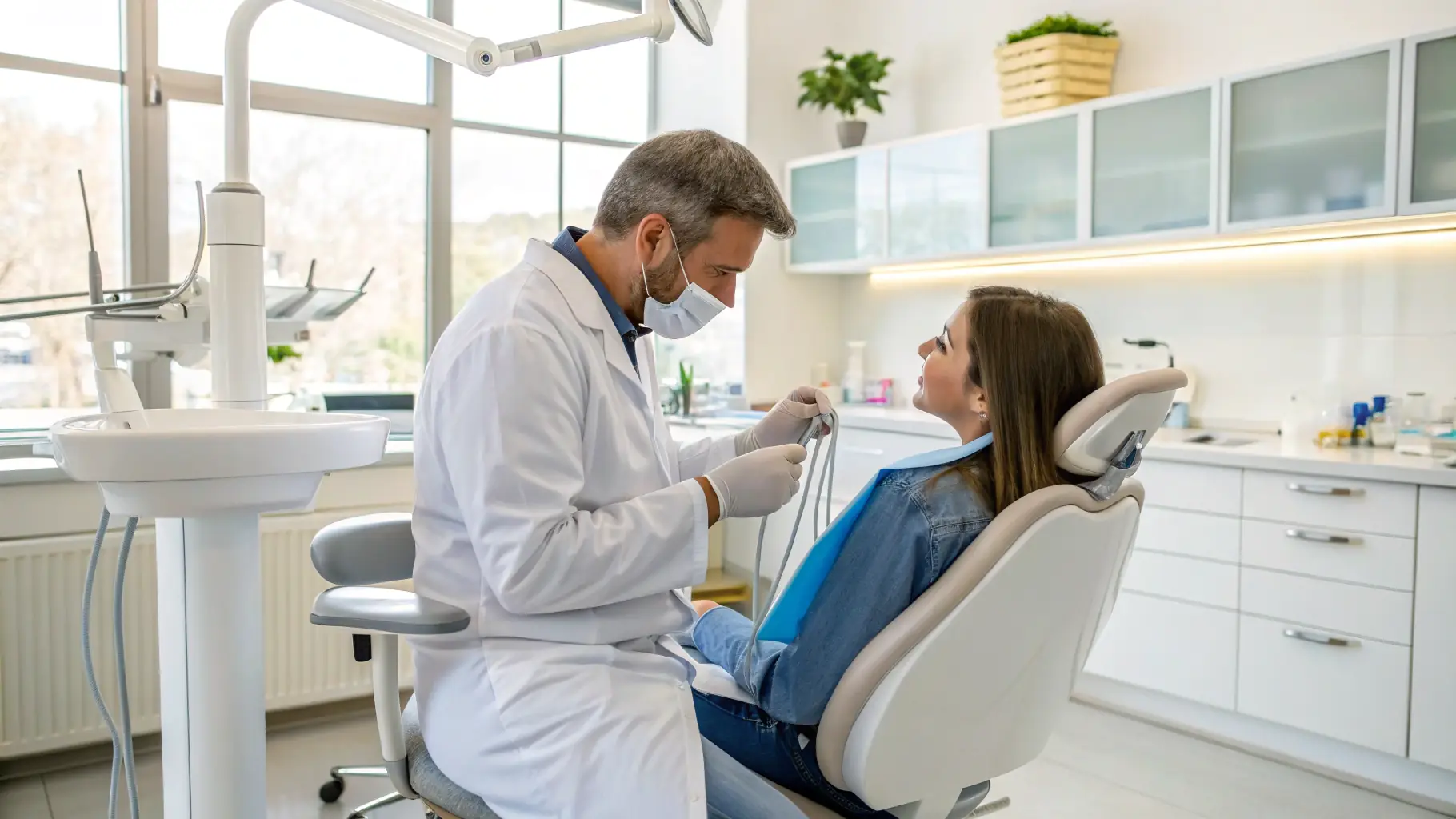
Facial trauma can result from accidents, sports injuries, or other incidents, leading to fractures, lacerations, and soft tissue damage. Prompt and comprehensive treatment is crucial to restore both form and function, minimizing long-term complications. A multidisciplinary approach involving oral and maxillofacial surgeons, plastic surgeons, and other specialists is often necessary to achieve the best possible outcome. The goal is to restore the patient to their pre-injury state as closely as possible.
The treatment of facial trauma typically involves stabilizing the patient, assessing the extent of the injuries, and developing a customized treatment plan. This may include repairing fractures, suturing lacerations, and reconstructing damaged tissues. Advanced imaging techniques, such as CT scans, are used to guide surgical planning. The focus is on restoring proper alignment, function, and aesthetics.
Rehabilitation is an important part of the recovery process, helping patients regain strength, range of motion, and function. Physical therapy, speech therapy, and other supportive therapies may be recommended. With proper care and rehabilitation, most patients can achieve significant improvement in their appearance and function, allowing them to return to their normal activities and enjoy a high quality of life.