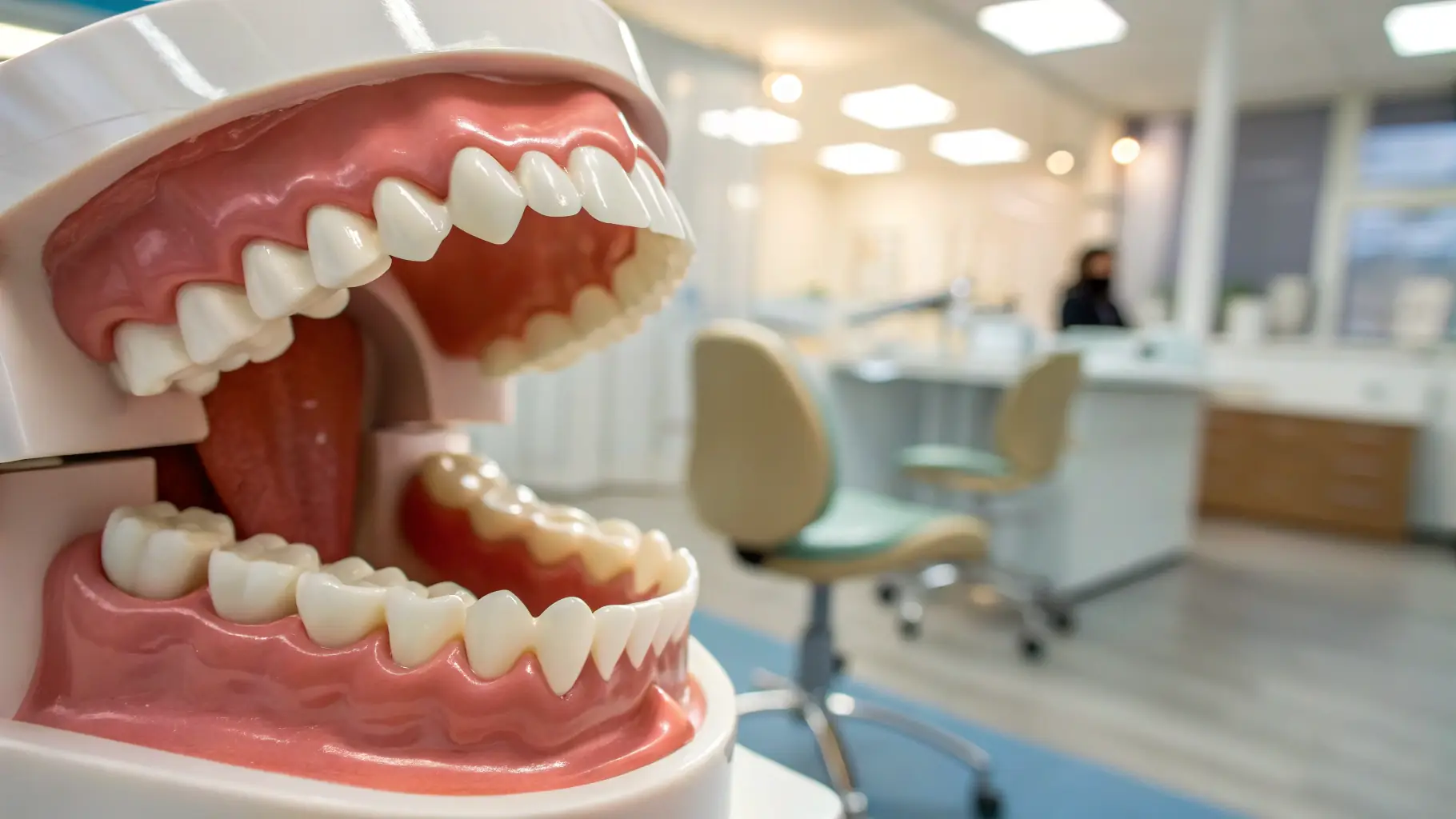
Wisdom teeth, or third molars, often become problematic due to lack of space in the jaw, leading to impaction, pain, and potential infection. Removal is often recommended to prevent these complications and maintain overall oral health. Understanding the reasons for removal and what to expect during the process can alleviate anxiety and ensure a smooth experience. Early evaluation and intervention can prevent more serious issues down the line.
The wisdom teeth removal procedure typically involves a consultation, X-rays, and a discussion of anesthesia options. The extraction itself is performed by an oral surgeon, who may need to make an incision in the gums and remove bone to access the tooth. Post-operative care includes pain management, infection prevention, and following specific dietary guidelines. Proper adherence to these instructions is crucial for a speedy recovery.
Recovering from wisdom teeth removal usually takes a few days to a week, during which time you may experience swelling, discomfort, and limited jaw movement. Pain medication, ice packs, and soft foods can help manage these symptoms. It’s important to avoid strenuous activities and follow your surgeon’s instructions carefully to prevent complications such as dry socket. With proper care, you can expect a full recovery and improved oral health.